Sauna Safety for Type-2 Diabetes UK (2026)
Sauna safety + type-2 diabetes: hypoglycaemia risk on insulin/sulphonylureas, dehydration, neuropathy, glycaemic benefits, protocol.
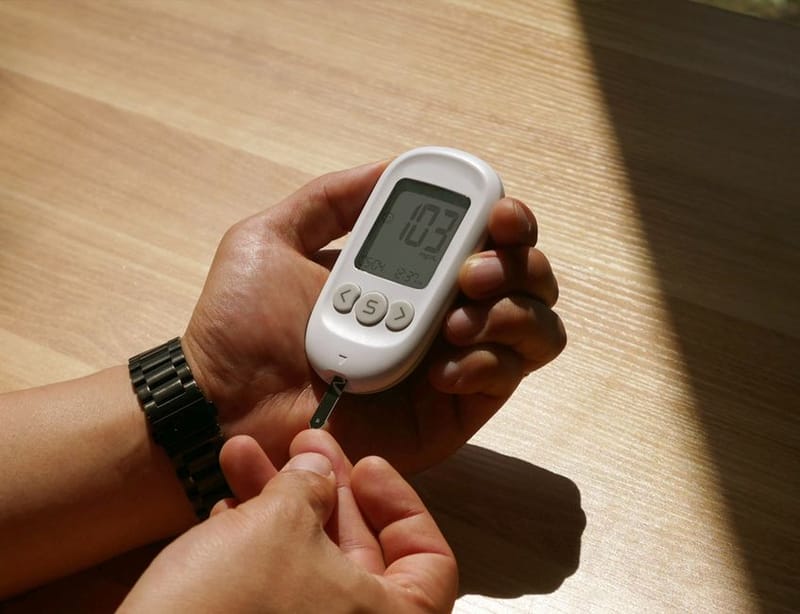
Sauna use with type-2 diabetes is a question that comes up often once someone's considering a home sauna - because the published research on sauna is mostly in healthy adults, and the diabetes-specific considerations aren't well-covered in general sauna content. This guide walks through what's actually safe, what's risky, and the practical protocol.
What sauna actually does to blood glucose
Heat raises insulin sensitivity - useful for most, risky for some.
Three things happen to blood glucose during and after a sauna session:
- Heat-induced insulin sensitivity rise. Heat exposure (similar to moderate exercise) acutely improves insulin sensitivity for ~24 hours. For someone with type-2 diabetes managing on diet/metformin/lifestyle, this is broadly beneficial - similar physiology to the post-exercise glucose dip.
- Glucose-lowering effect during the session. Active muscle glucose uptake during heat stress lowers circulating glucose. The magnitude varies with starting glucose, medication, hydration, and session intensity.
- Counter-regulatory response. If glucose drops too low (hypoglycaemia), the body releases stress hormones (cortisol, glucagon, adrenaline) to push it back up. In someone with intact counter-regulation, this protects against severe hypos. In someone with long-standing diabetes + autonomic dysfunction, it can be blunted.
The net effect: for well-controlled type-2 diabetes without medication-induced hypo risk, sauna is broadly insulin-sensitising and helpful. For someone on insulin or sulphonylureas (glipizide, gliclazide), the additive glucose-lowering effect creates real hypoglycaemia risk that needs managing.
Four specific safety considerations
The risks that don't apply to healthy sauna users.
1. Hypoglycaemia (low blood glucose). The main acute risk for people on insulin or sulphonylureas. The combination of heat-induced insulin sensitivity + the medication's direct glucose-lowering effect can push blood glucose below safe limits during or shortly after a session. Symptoms: shaking, sweating (hard to distinguish from sauna sweat), confusion, palpitations. Always check blood glucose before AND after each session for the first 4-6 weeks of regular sauna use to calibrate your personal response.
2. Dehydration. Type-2 diabetes can impair the thirst response - particularly if there's chronic hyperglycaemia in the background. The combination with sauna-induced fluid loss compounds the risk. Drink 500ml+ water before each session, 250-500ml after. If you're on SGLT2 inhibitors (empagliflozin, dapagliflozin), dehydration risk is further elevated - speak to your GP about whether sauna is appropriate while on these.
3. Autonomic neuropathy. Long-standing type-2 diabetes can damage the autonomic nerves that regulate sweating, blood-pressure response to standing, and heart-rate variability. If you have known autonomic neuropathy (orthostatic hypotension, abnormal sweating patterns, gastric emptying issues), heat regulation in the sauna can fail - sudden blood-pressure drops on standing post-session, inadequate sweating to dissipate heat, or paradoxical sweating distribution. Get cleared by your diabetes team before regular use.
4. Peripheral neuropathy + burn risk. Reduced sensation in feet (and sometimes hands) means you may not feel the temperature of sauna benches, floors, heater surfaces, or the post-sauna cool-shower temperature. Wear sandals or sit on a towel; check water temperature with a hand sensitive to heat (not the foot you'd normally test with); avoid touching hot surfaces of the heater itself.
The benefits side: glycaemic + cardiovascular
Why diabetes specialists often support sauna for the well-controlled.
The flip side of the risk profile is real benefit potential:
- Modest HbA1c improvements have been reported in small trials of regular sauna use among type-2 diabetes patients (typically 0.2-0.5% reductions over 12-16 weeks). The mechanism is the cumulative insulin-sensitivity improvement from repeated heat exposure.
- Cardiovascular protection. The KIHD cohort findings on sauna + cardiovascular mortality (covered in our sauna + heart health guide) apply with at least equal weight to type-2 diabetes patients, who have substantially elevated cardiovascular risk baseline.
- Blood pressure improvements typical of regular sauna use (~2-5 mmHg systolic reduction over weeks) are clinically meaningful in a population where hypertension is highly prevalent.
- Stress + sleep benefits. Type-2 diabetes management is meaningfully improved by good sleep and lower stress; sauna contributes to both.
For most people with well-controlled type-2 diabetes who don't have advanced neuropathy or active cardiovascular events, the benefit/risk balance favours regular sauna use - typically 2-3 sessions per week is a reasonable target.
Practical protocol for type-2 diabetes
Six rules that make sauna safe + sustainable.
- Check blood glucose before each session. If under 5.5 mmol/L, eat 15-20g carbs and wait 15 minutes before entering. If over 16 mmol/L, postpone the session and address the hyperglycaemia first.
- Check blood glucose immediately after. Note the change. Build a personal record over the first 4-6 weeks - this calibrates the magnitude of effect for your specific physiology + medication.
- Drink 500ml water before, 250-500ml after. Skip alcohol on sauna days. Watch for any symptoms of dehydration (dry mouth, dark urine, headache).
- Keep sessions to 15-20 minutes. Longer sessions amplify all the risk variables. The KIHD benefit gradient saturates at ~20 minutes for healthy users; there's no reason to go longer with diabetes.
- Wear footwear or sit on a towel. Peripheral neuropathy means the bench, floor or heater surfaces can burn you before you notice.
- Bring a fast-acting carb to the sauna. Glucose tablets, a sealed juice box, or a piece of fruit. If you feel any hypoglycaemia symptoms (shaking, confusion, palpitations), exit immediately and consume the carb.