Wild Saunas in the Lake District: 2026 Venue Guide
Coniston to Ullswater, Whinlatter to mobile pop-ups - the 2026 guide to wild saunas in the Lake District, with named operators and what to expect.
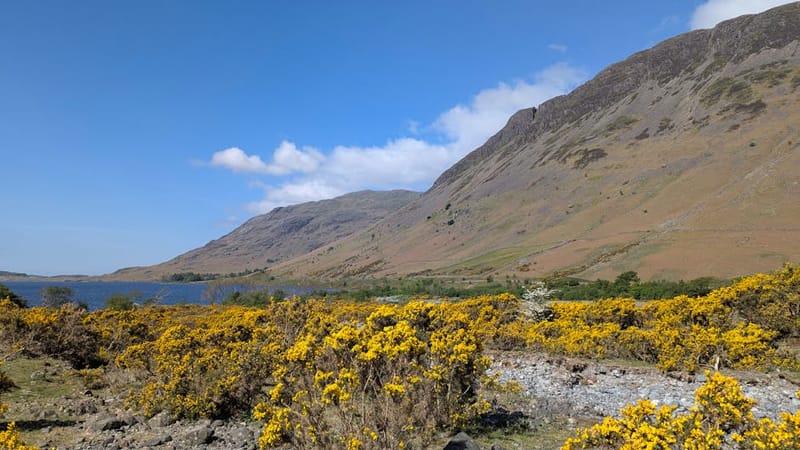
The Lake District (a glaciated National Park in north-west Cumbria, the largest in England at 912 square miles) is one of the most natural homes for the UK's wild-sauna movement. The water is everywhere, the cold-swim culture runs year-round, and the post-walk hot-then-cold contrast tradition was waiting to happen long before mobile wood-fired saunas arrived in the early 2020s.
This guide covers the named operators worth seeking out across Cumbria and the Lake District, splits them by lake or forest setting, and is honest about where the scene is still expanding. For the UK-wide picture of wild sauna culture, start with Wild Sauna UK: The Complete 2026 Guide. For the south-west sibling region, see Wild Saunas in Cornwall and Devon. And for coastal venues across the country, the 2026 beach-sauna directory sits next to this one.
1. Coniston Water - La'al Sauna at Bank Ground Farm
La'al Sauna ("la'al" is a Cumbrian dialect word for "little") is widely credited as the first outdoor wood-fired sauna in the Lake District, set up in January 2023. The saunas are hand-built into converted horse boxes - a format that has since become a signature of the operator. The sauna named TAN has been sited at Bank Ground Farm overlooking Coniston Water since April 2025, giving it a fixed lakeside footprint with cold-water access directly into the lake.
What to expect: wood-fired Nordic-style heat (typically 80-95°C), a rotation pattern of 15-20 minutes hot followed by a cold dip in Coniston Water, repeated 2-3 times in a 60-90 minute session. Towels, robes and dip ladders are provided; bring swimwear. The Bank Ground Farm location is also a working bed-and-breakfast and pop-in cafe, so the wider site has indoor space if the weather turns.
Other La'al horse-box saunas rotate between Cumbrian locations through the season - the operator's own site is the authoritative source for current sites and session times.
2. Ullswater - Fahrenhut
Fahrenhut runs a wood-fired sauna with a fixed lakeside setting on Ullswater, the second-largest lake in the National Park and one of the better lakes for year-round open-water swimming thanks to its long axis and sheltered bays. The location places the sauna within a short walk of the lake itself, which is the model the operator's branding is built around - the German-influenced name nods to the Fahrenheit-style heat tradition.
The Ullswater setting differs from Coniston in feel rather than format. Sessions follow the same hot-cold rotation pattern; the lake here is more open and exposed, with cooler water than the shallower south-western lakes, so cold-swim acclimatisation matters more here than on the smaller waters. The shoreline path makes Fahrenhut a natural pairing with a walking morning along the Ullswater Way.
3. Whinlatter Forest - Wild Forest Sauna
Wild Forest Sauna sits in Whinlatter Forest, the only true mountain forest in England, on the western shoulder of Skiddaw above Keswick and Derwentwater. The setting is distinct from every other operator in this guide: this is a forest sauna rather than a lakeside one. The cold-down options swap a lake plunge for cold buckets and outdoor showers, with the forest itself doing most of the contrast work.
For visitors basing themselves in Keswick - the obvious north-Lakes hub - Wild Forest Sauna is a 15-minute drive west into the forest. The Visit Lake District listing for the venue is a useful starting point for current session times and booking links, though the operator's own channels carry the live schedule.
4. Mobile and event saunas - Fellside Sauna and RX4 Lakes
Two operators serve Cumbria on a mobile or event basis rather than from a fixed lakeside footprint:
- Fellside Sauna - Run by Laura and Joe, a Cumbrian couple who built their first mobile sauna on wheels in summer 2024. Fellside is the small-scale, locally-run option of the cluster and typically appears at lakeside pop-ups, weekend events and private bookings rather than as a permanent installation.
- RX4 Lakes "Wild Sauna" - A bespoke wood-fired sauna that travels to a location of your choice (subject to landowner and National Park permission), typically for events such as birthdays, anniversaries, corporate retreats or team-building sessions. RX4 is the operator to look at for a private-hire or group-event sauna rather than a drop-in communal session.
Both operators are best contacted directly to confirm where they are in any given week. Mobile saunas in the National Park are subject to siting rules - operators handle the permissions, so the practical effect for guests is that exact locations are confirmed only after booking.
How does a wild-sauna session work in the Lakes?
The session format is consistent across operators. A typical 60-90 minute slot covers two or three rounds of 12-20 minutes inside the wood-fired sauna at around 80-95°C, followed by a 1-3 minute cold dip in the lake (or, at Wild Forest Sauna, cold buckets and outdoor showers), and a 5-10 minute warm-down rest in between rounds. Wood-fired heat carries more humidity and heat depth than the standard electric saunas most visitors will be familiar with from gyms.
For first-timers, the cold-water side is the part that takes most getting used to. The Lake District lakes are cold year-round - Coniston and Windermere reach 18-20°C at the peak of summer, but Ullswater stays under 15°C even in late August. From October through April, water temperatures are 6-12°C, which is where the contrast effect is sharpest and the safety considerations matter most. See our complete guide to how to sauna properly for round-pacing, cool-down technique, and what the peer-reviewed evidence actually says about sauna benefits.
What's the best time of year to visit?
Year-round. The Lake District wild-sauna season runs all twelve months, but each season has a different character.
- November to March - The classic season. Air temperatures drop to single digits and below, water temperatures sit at 4-8°C, and the contrast pay-off is at its peak. Operators run their busiest schedules and slots book out one to four weeks ahead. Bring more layers than you think you need for the change-out.
- April to June - Spring shoulder. Lakes warm slowly (still 8-12°C through May), longer daylight, fewer visitors. Some of the best weeks of the year for combining a hill walk with a lakeside sauna.
- July and August - Peak tourism in the Lakes, easiest weather conditions, but the cold-contrast effect is reduced as lakes warm above 15°C. Book farther ahead because peak holiday demand collides with the standard sauna audience.
- September and October - Quietest, often warmest air, water still cool. Many regulars consider this the best season.
How do I book a Lake District wild sauna?
Each operator runs their own booking system - there is no central Lake District wild-sauna booking platform in 2026. The standard pattern is online slot booking via the operator's website with payment up front; communal sessions release a few weeks ahead and book out fast on weekends. Private hire is by direct enquiry. Mobile operators (Fellside Sauna, RX4 Lakes) confirm session locations to guests after booking once permissions are settled.
Practical packing list: swimwear (most operators require it), a towel or robe for the rotation walk, a second towel for changing, warm post-session layers including a hat, water, a sandwich-and-flask-and-flapjack picnic for the warm-down. Crocs or sliders are useful for the walk from the sauna to the water at lakeside venues. The Lake District National Park Authority publishes current advice on water safety and lakeside access; check it before any winter session.
Frequently asked questions
Are Lake District wild saunas open year-round?
Do I need to bring my own swimwear?
Can I do a solo session or do I have to book a group?
Which lake is best for first-time cold-water swimming?
Are there fixed-location indoor saunas in the Lake District too?
Explore wild saunas by region
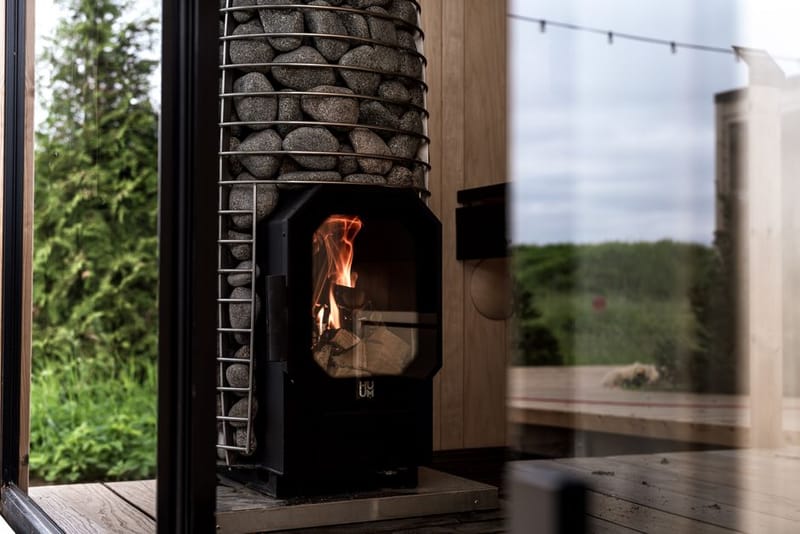
Wild saunas in the UK by region
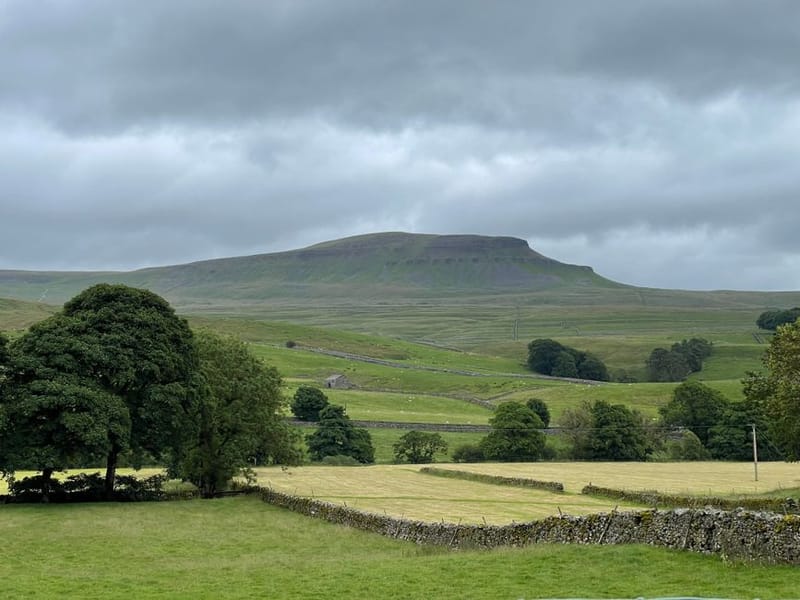
Yorkshire
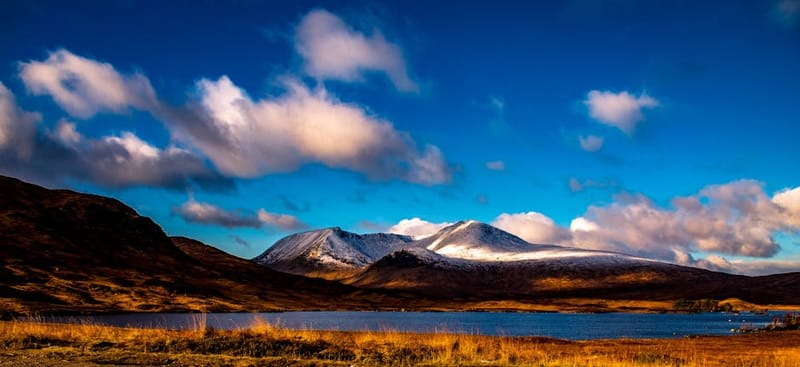
Scotland
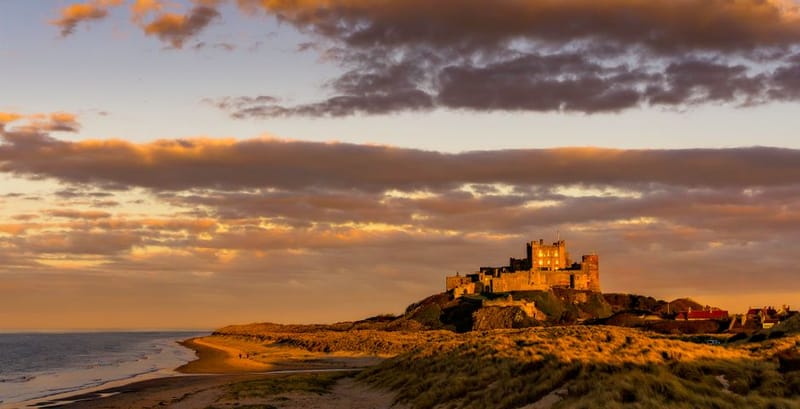
North East
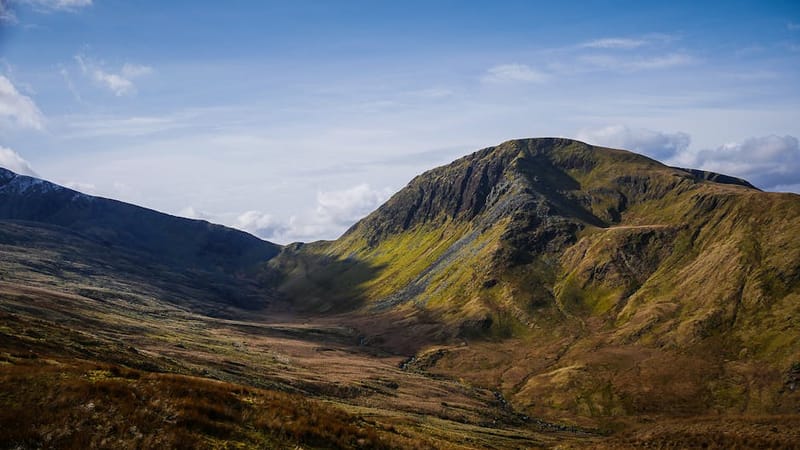
Wales
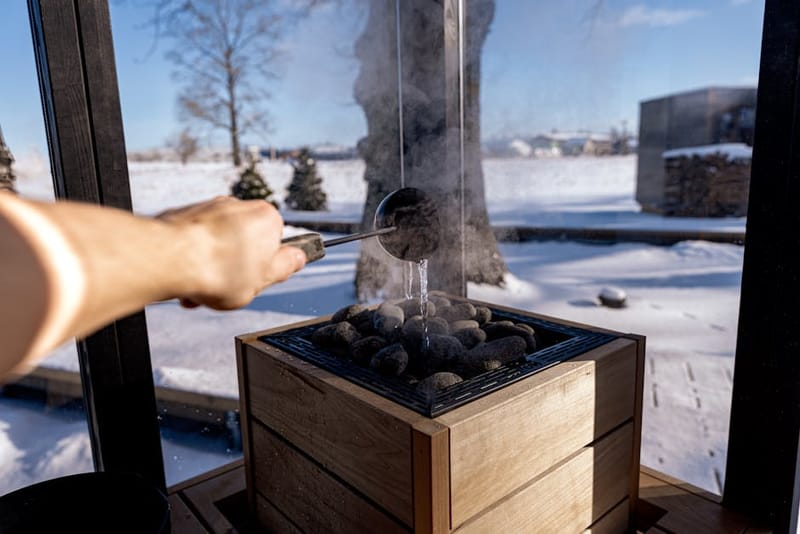
Wild sauna UK overview
Plan the rest of your wild-sauna year
From south-west coast to Highland lochs, the UK guide covers every region.