Comparison · 2 picks
Infrared vs Traditional Sauna (2026): Honest Comparison
Affiliate disclosure: we may earn a commission when you buy through links on this page, at no extra cost to you. Our verdicts are our own and are not influenced by compensation.
The infrared-vs-traditional comparison is one of the most common questions in UK home-sauna and wild-sauna shopping, and the answer is not 'whichever you prefer'. The two formats heat your body differently, deliver a different physiological stimulus, and rest on different bodies of published evidence. Mixing them up - or treating an infrared sauna as a like-for-like substitute for the format the Finnish cardiovascular cohort studied - is the single most common error in the consumer wellness literature.
At a glance
All 2 options side by side.
 Traditional Finnish Sauna Traditional Finnish Sauna | Infrared Sauna | |
|---|---|---|
| Price | £0 | £0 |
| Best for | The canonical format. | A reasonable alternative for heat-sensitive users or homes that can't accommodate a traditional sauna's electrical supply. |
| Review | Read review → | Read review → |
The picks in detail
Traditional Finnish Sauna
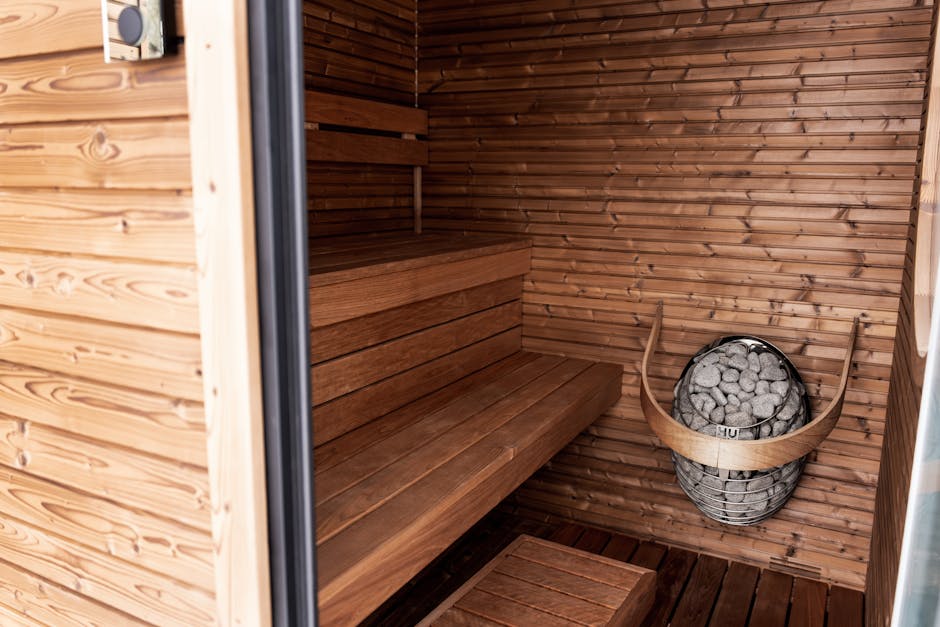
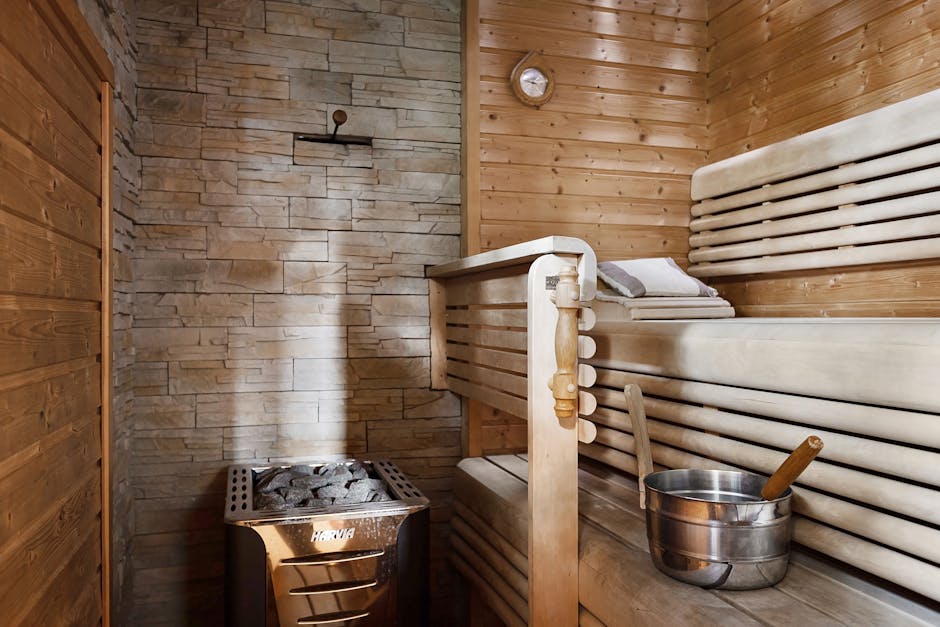
Bottom line. The canonical format. Pick this for cardiovascular-association use cases, for Finnish-cultural authenticity, or if you regularly use UK wild-sauna venues and want home practice to match.
Pros
- Strongest published evidence base for cardiovascular outcomes
- Authentic Finnish format - matches the cultural context the practice originated in
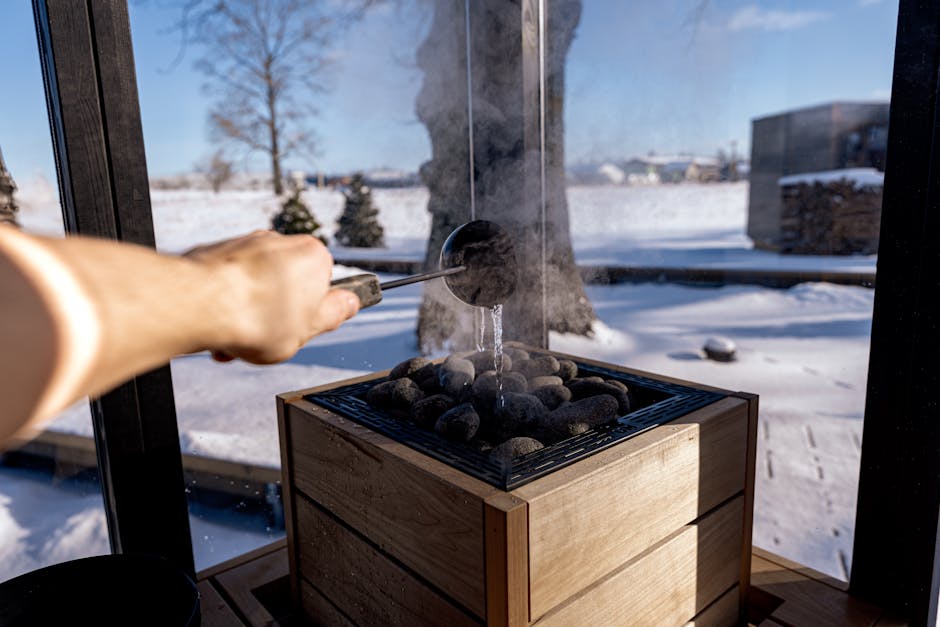
- Löyly (water-on-stones steam) allows in-session humidity control
- Format used in UK wild-sauna venues, so home practice matches public-venue practice
Cons
- Higher peak temperatures (80-100°C) can feel overwhelming for first-time users
- Higher power draw - many UK homes need a dedicated electrical circuit
- Longer heat-up time (30-45 min from cold) than infrared
- Higher initial install cost and ongoing electricity use
Infrared Sauna
Bottom line. A reasonable alternative for heat-sensitive users or homes that can't accommodate a traditional sauna's electrical supply. Don't extrapolate Finnish cardiovascular research to infrared - the formats are physiologically distinct.
Pros
- Lower operating temperature (50-65°C) is easier to tolerate for first-time users and heat-sensitive people
- Plugs into a standard UK 13A socket - no electrical-supply upgrade needed
- Lower running cost (roughly a third of a traditional sauna's electricity use)
- Faster heat-up time means lower friction for shorter sessions
Cons
- Thinner research evidence base - cardiovascular-association claims from Finnish cohort do NOT transfer directly
- Different sweat profile - lower core-temperature elevation per session
- Not the format used in Finnish wild-sauna culture or UK venue practice - so home practice diverges from public-venue experience
- Some infrared products use 'EMF' or 'detox' marketing claims with poor evidence support
How they're physically different
The mechanism difference matters more than the temperature difference, because it shapes which physiological responses you're actually producing.
A traditional Finnish sauna heats the air around you to 80-100°C using a stove that warms rocks. The hot air convects heat into your skin and respiratory tract, and adding water to the rocks (löyly) produces steam that briefly spikes humidity, intensifying the sensed heat. Core body temperature rises 1-2°C over a 15-minute session. Heart rate elevates similarly to moderate aerobic exercise. Sweat production is heavy.
An infrared sauna heats your body directly via radiant infrared wavelengths emitted from panels. The ambient air temperature stays much lower (50-65°C) because air heating isn't the goal - the infrared radiation penetrates skin a few millimetres and produces tissue heating from inside-out. Core body temperature still rises, but less per minute than in a traditional sauna; sweat onset is faster but typically lighter; heart-rate elevation is more modest.
Both formats produce a thermoregulatory stress response - that's the underlying mechanism behind any claimed cardiovascular benefits. But the magnitude of that stress per session is different, and the duration of practice that's been studied is different.
What the evidence actually shows
The strongest cardiovascular-sauna evidence comes from the Kuopio Ischaemic Heart Disease Risk Factor Study (KIHD) - a 20-year follow-up cohort of middle-aged Finnish men published in JAMA Internal Medicine in 2015 and reviewed in Circulation in 2018 by Laukkanen et al. The dose-response finding: men who used a traditional Finnish sauna 4-7 times per week had ~40% lower cardiovascular mortality than men who used it once a week, across the follow-up window.
The KIHD study used traditional Finnish saunas only. It did not include infrared. The temperature range, session structure, and cumulative weekly dose were Finnish-traditional throughout. Translating the cardiovascular-association finding to infrared sauna practice requires an evidence leap the data doesn't support.
Infrared has its own smaller evidence base - several trials on chronic pain, post-exercise recovery, and rheumatoid arthritis symptoms - but it's thinner, with smaller sample sizes and shorter follow-up than the KIHD cohort. It's not 'no evidence'; it's 'different and less robust evidence'. See our sauna health benefits evidence page for the fuller summary.
Which one should you buy or use?
If you want the cardiovascular-association benefits from the published evidence, choose traditional
The Finnish cohort study used traditional saunas at 80-100°C, 4-7 sessions/week, ~15-minute rounds. That's the protocol the published evidence supports. If reducing cardiovascular mortality risk is the primary motivation, the format matters.
If heat tolerance is the main constraint, choose infrared
Older adults, people with hypertension, people new to sauna practice, and anyone who struggles with 90°C heat will find infrared more tolerable. The 50-65°C operating temperature is much closer to a hot bath than to a traditional Finnish sauna.
If your UK home electrical supply can't handle a 6-8kW heater, choose infrared
Traditional saunas typically need a dedicated electrical circuit (often a 9 kW supply for a 4-person model). Infrared units run on standard 13A UK sockets. If you're considering a garden cabin install and the supply upgrade would cost £500-1,500, infrared sidesteps that entirely.
If you use UK wild-sauna venues, match the format at home
UK wild-sauna venues (mobile horse-box operators, beach saunas, hostel saunas in the Highlands) are overwhelmingly traditional Finnish format. If you want your home practice to match your venue experience, go traditional.
If you want both, the question is budget
Combination cabins exist (traditional heater + infrared panels in the same room) but cost roughly 30-50% more than either format alone. For most UK homes, picking one format and using it consistently is better than splitting the budget across both.
Frequently asked questions
Q01Are infrared and traditional saunas the same thing?
Q02Which is better for cardiovascular health?
Q03Which is more comfortable for a beginner?
Q04Which is cheaper to run at home in the UK?
Q05Can I get the Finnish cardiovascular benefits from infrared use?
Sauna Health Benefits Evidence
Home Sauna Buying Guide UK 2026
Wild Sauna UK: The Complete 2026 Guide